The gut microbiome, the trillions of bacteria living in your intestines, has become one of the most hyped topics in wellness. With the hype comes a flood of expensive powders and pills. Here is the slightly anticlimactic truth: the most effective microbiome strategy is mostly free.
Feed your bacteria, not just yourself
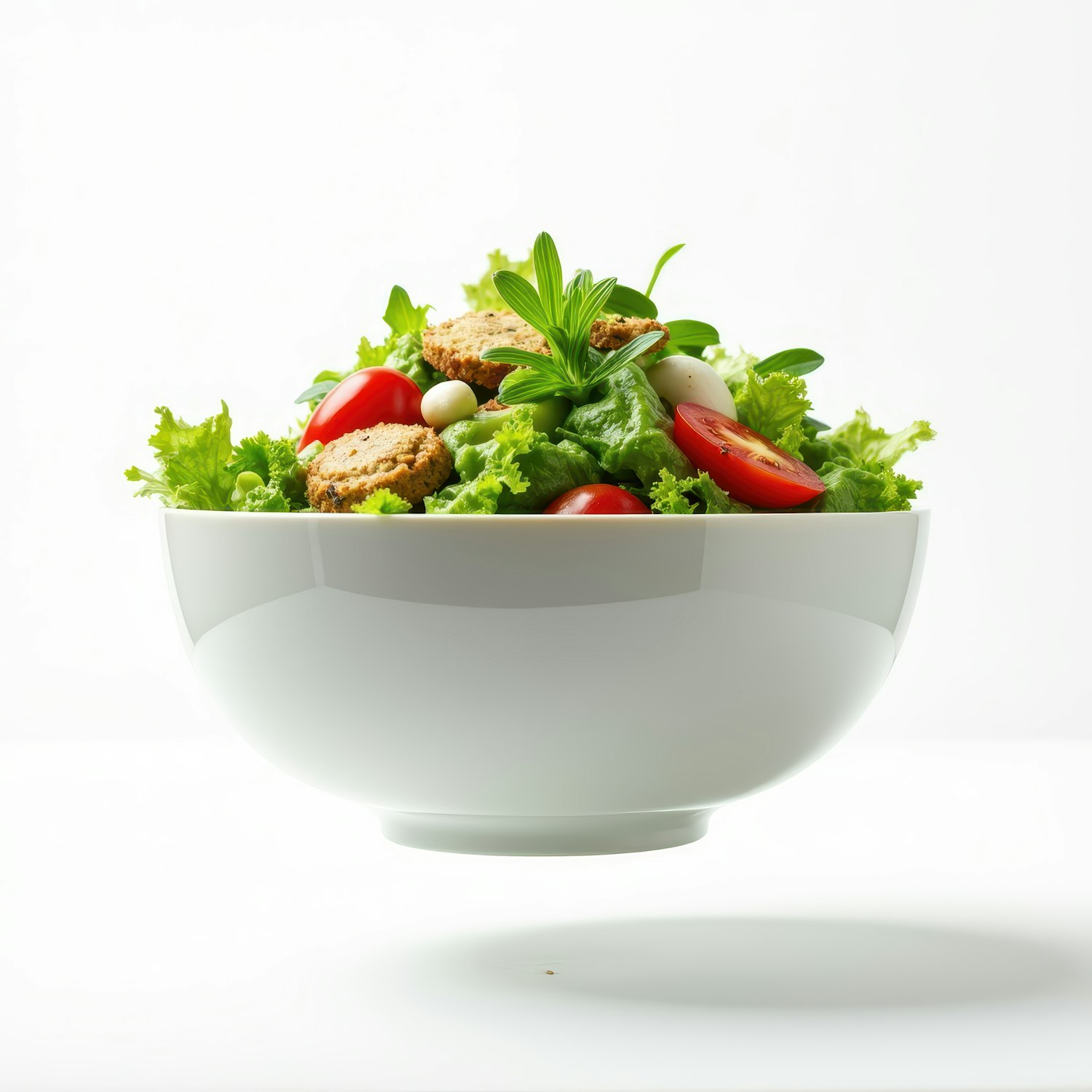
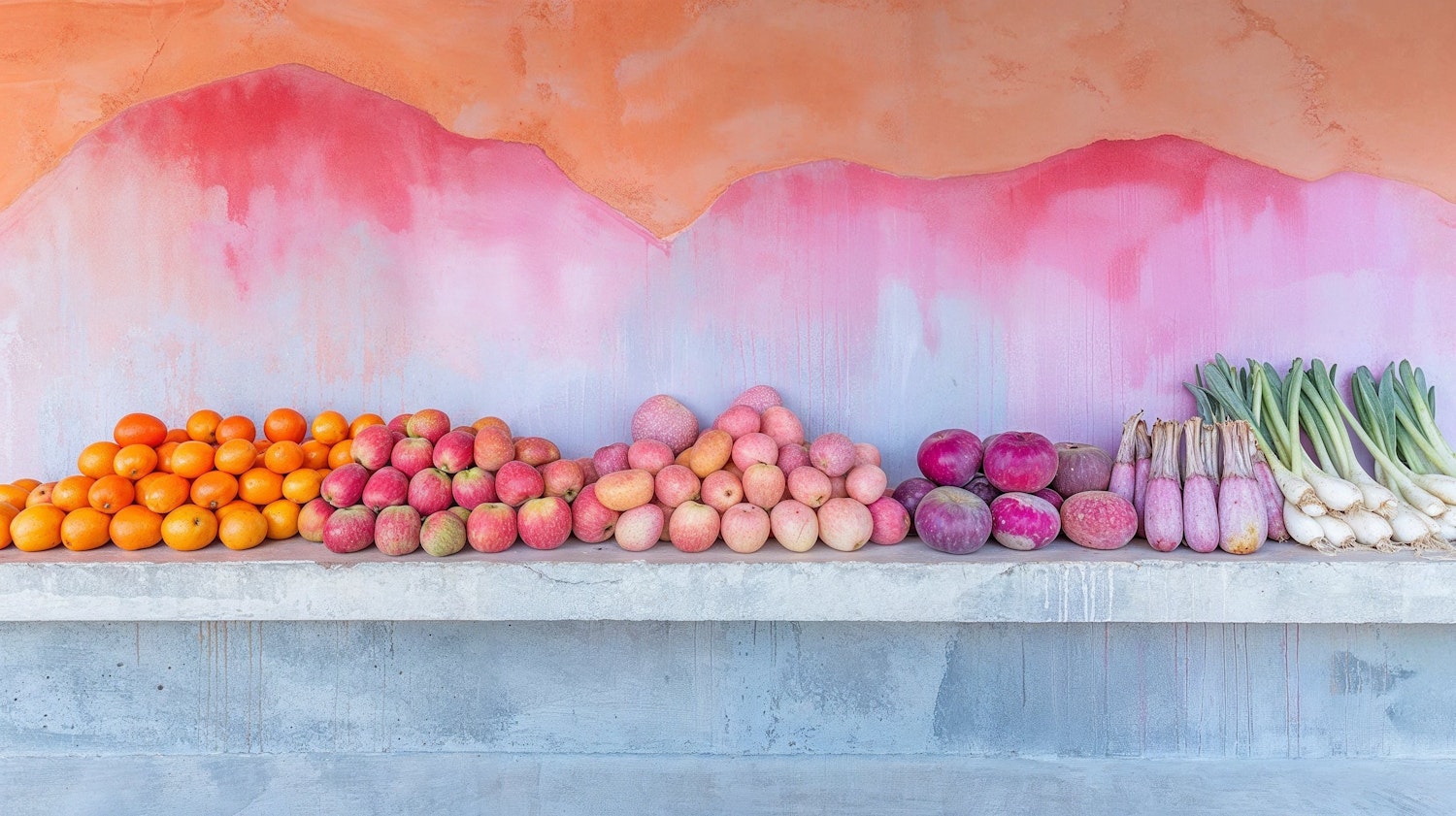
Your gut bacteria thrive on fiber, the parts of plants you cannot fully digest. When you eat a variety of plants, you feed a variety of microbes, and diversity is one of the clearest markers of a healthy gut.
A simple goal: aim for 30 different plant foods a week. That includes vegetables, fruit, whole grains, nuts, seeds, herbs, and spices. It is easier than it sounds once you start counting.
The role of fermented foods
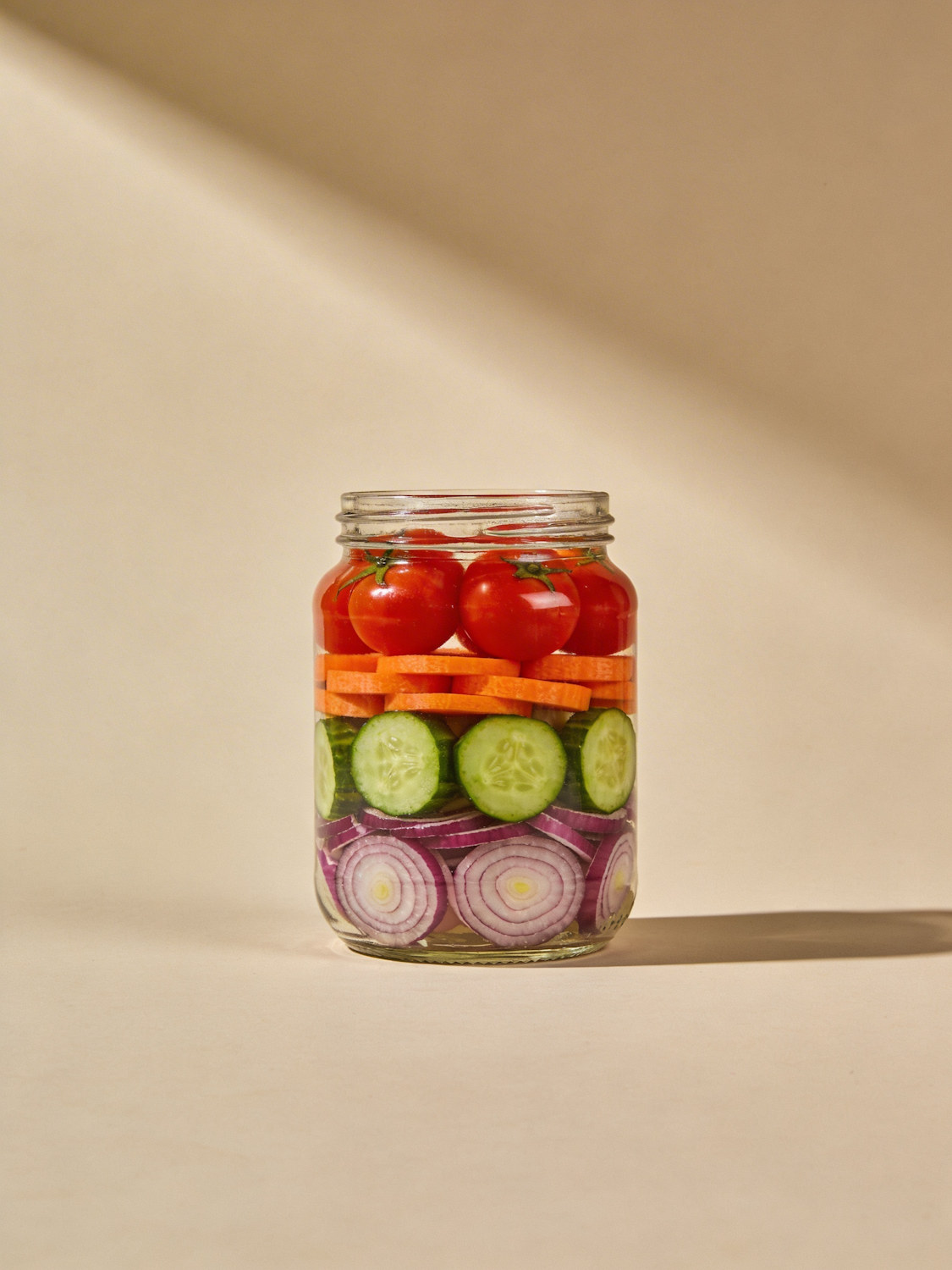
Fermented foods add live microbes and may support gut diversity:
- Yogurt and kefir
- Sauerkraut and kimchi
- Miso and tempeh
Start small if you are new to them, and choose unpasteurized, refrigerated versions where you can, since the shelf-stable kinds often lack live cultures.
Before you buy a probiotic, look at your plate. Fiber and fermented foods help build the ecosystem a pill can only briefly visit.
What slows things down
Highly processed diets low in fiber tend to reduce microbial diversity over time. You do not have to be perfect, just nudge the ratio toward whole plants more often than not.
Small, consistent choices, an extra vegetable here, a scoop of beans there, do more for your gut than any single product on the shelf.